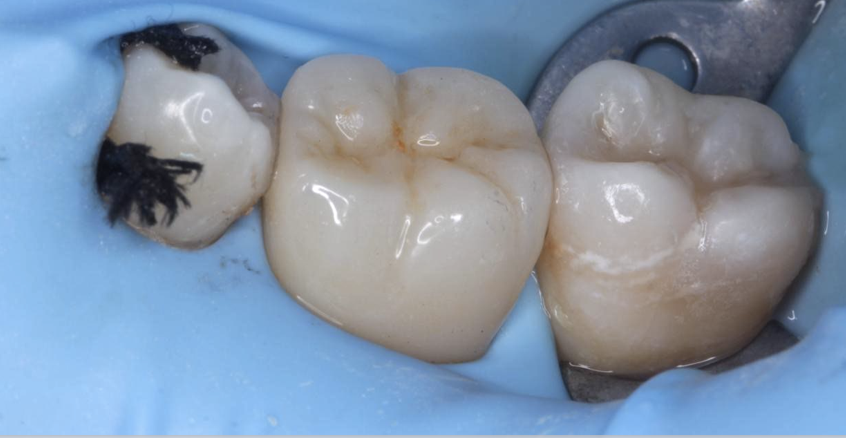
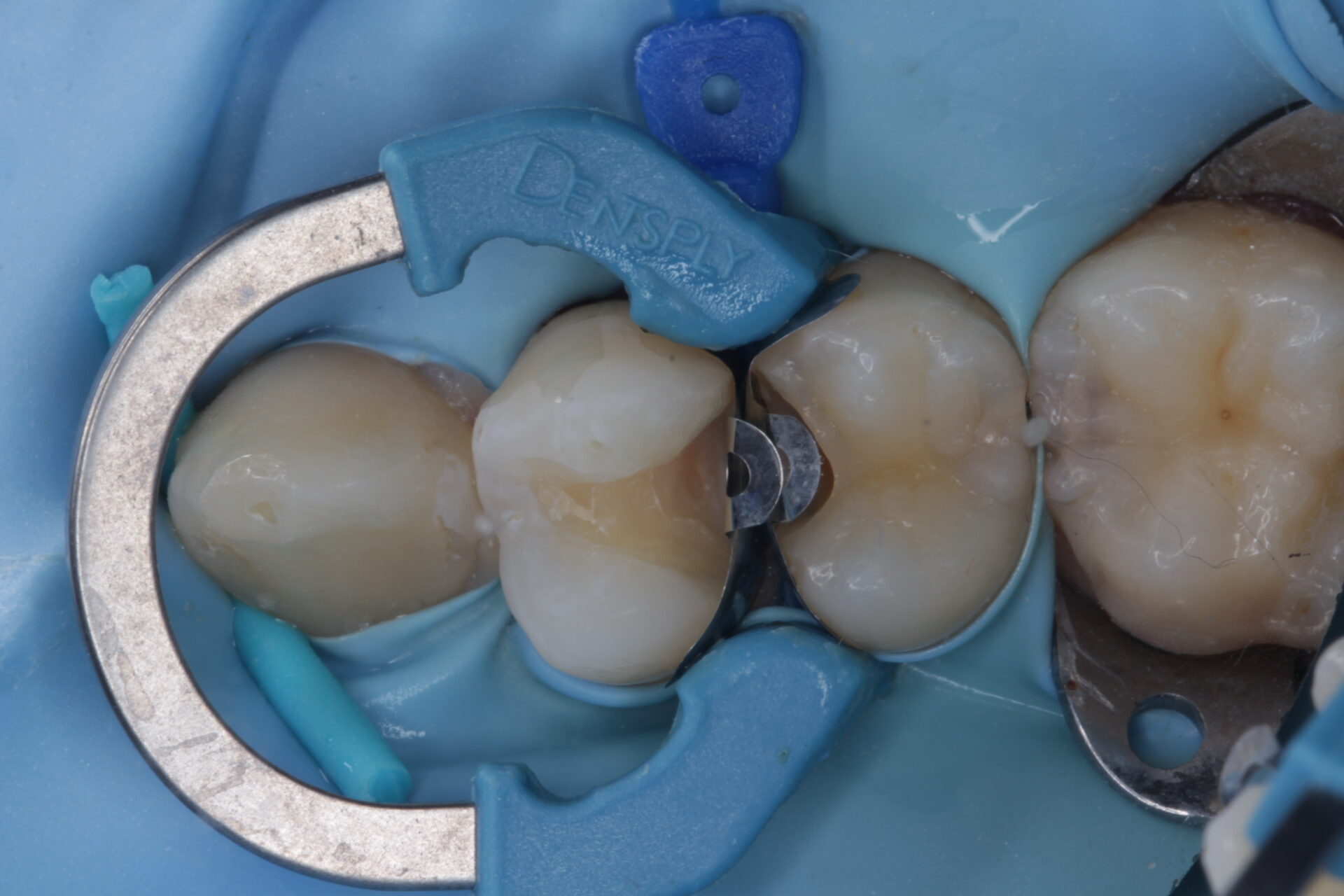
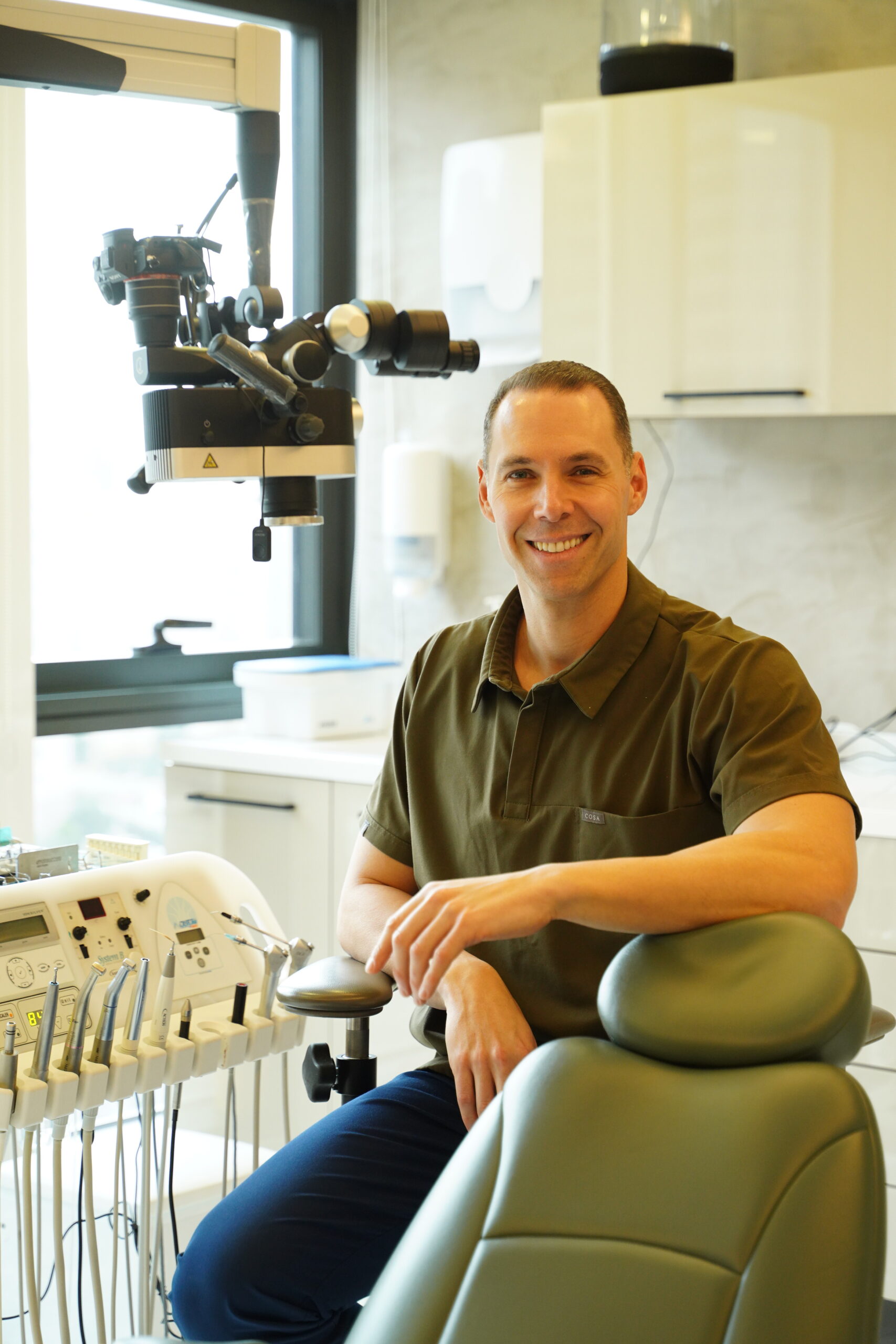
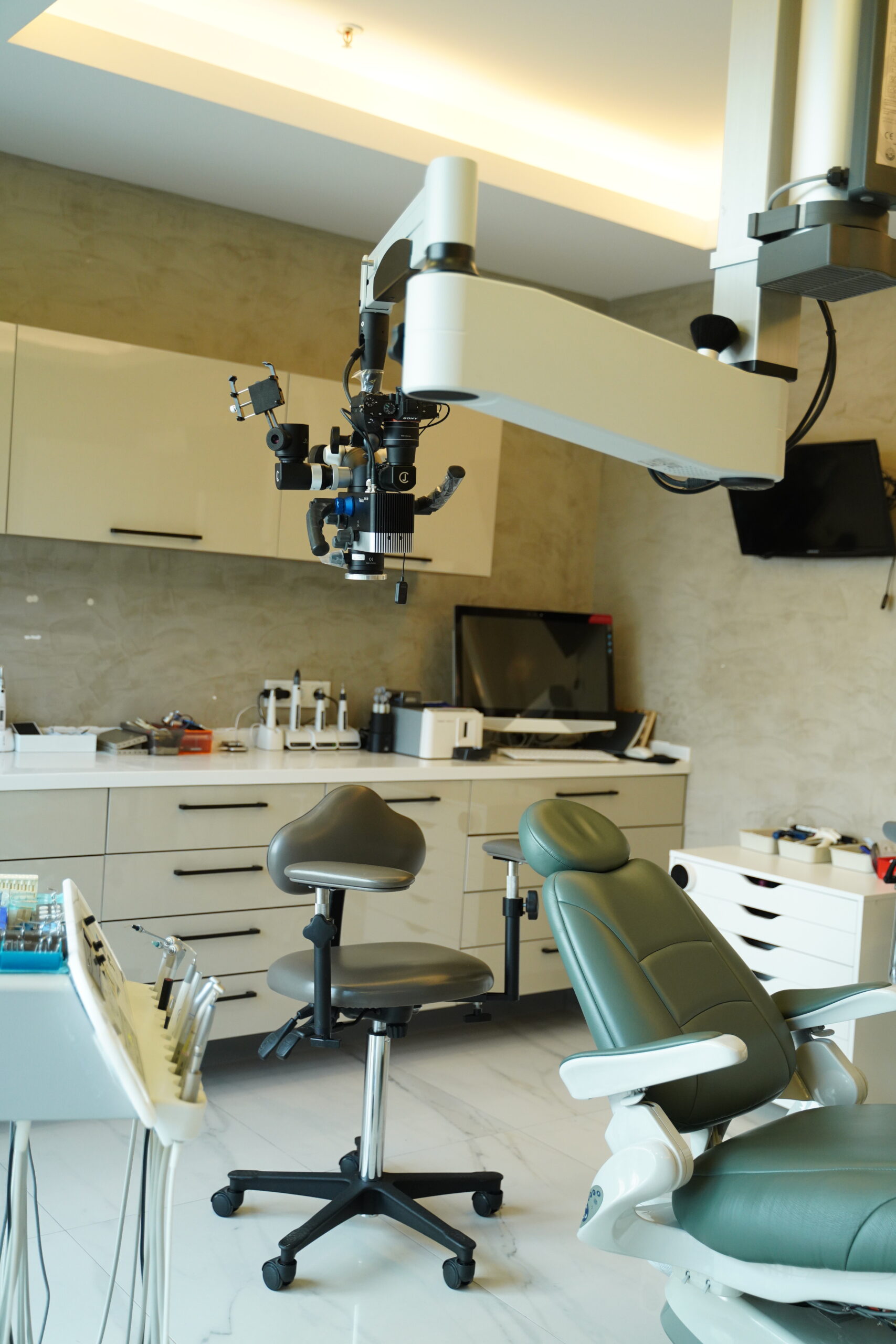
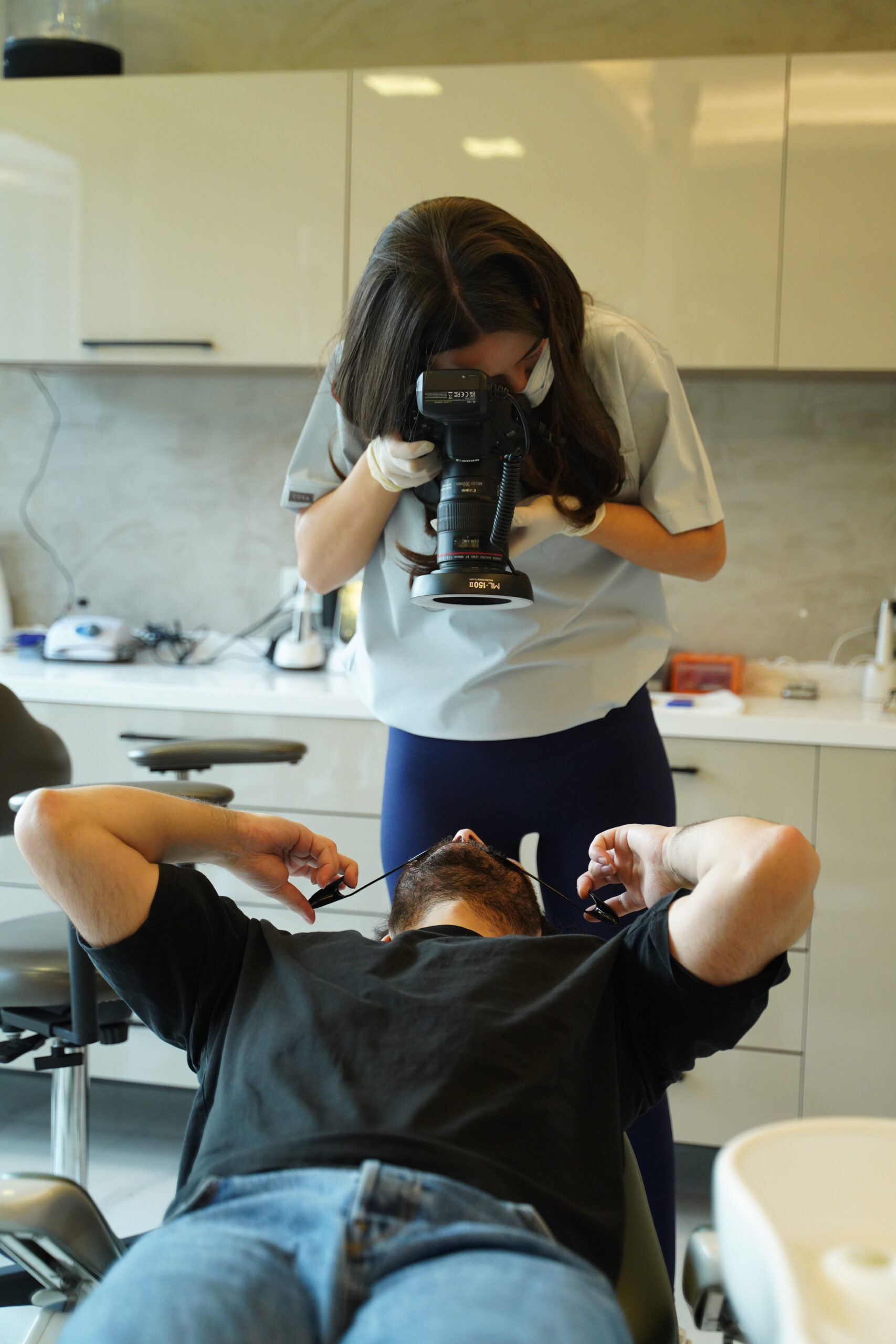
Through our minimally invasive treatment philosophy, we preserve the maximum amount of natural tooth structure, ensuring your teeth remain durable and functional in the long term.
We provide endodontic and multidisciplinary dental care to a limited number of patients each day, ensuring sufficient time is dedicated to every treatment.
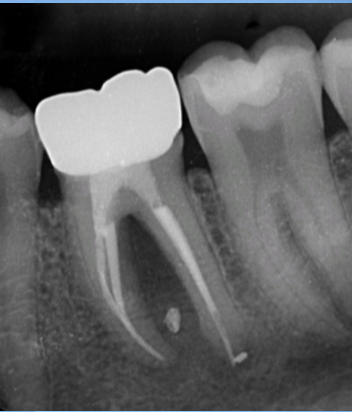
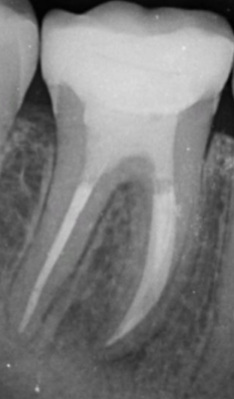
Root Canal Treatment Under Microscope
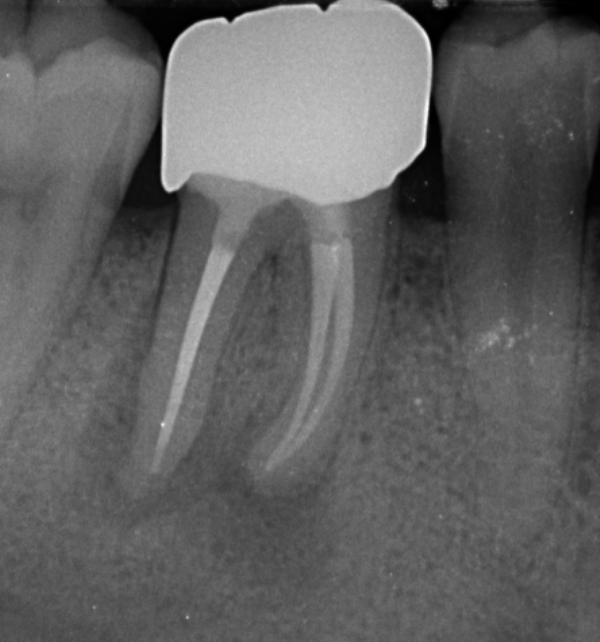
Personalised Treatment Planning
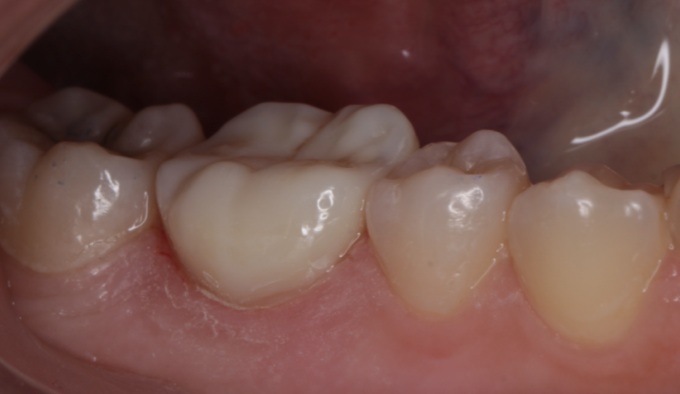
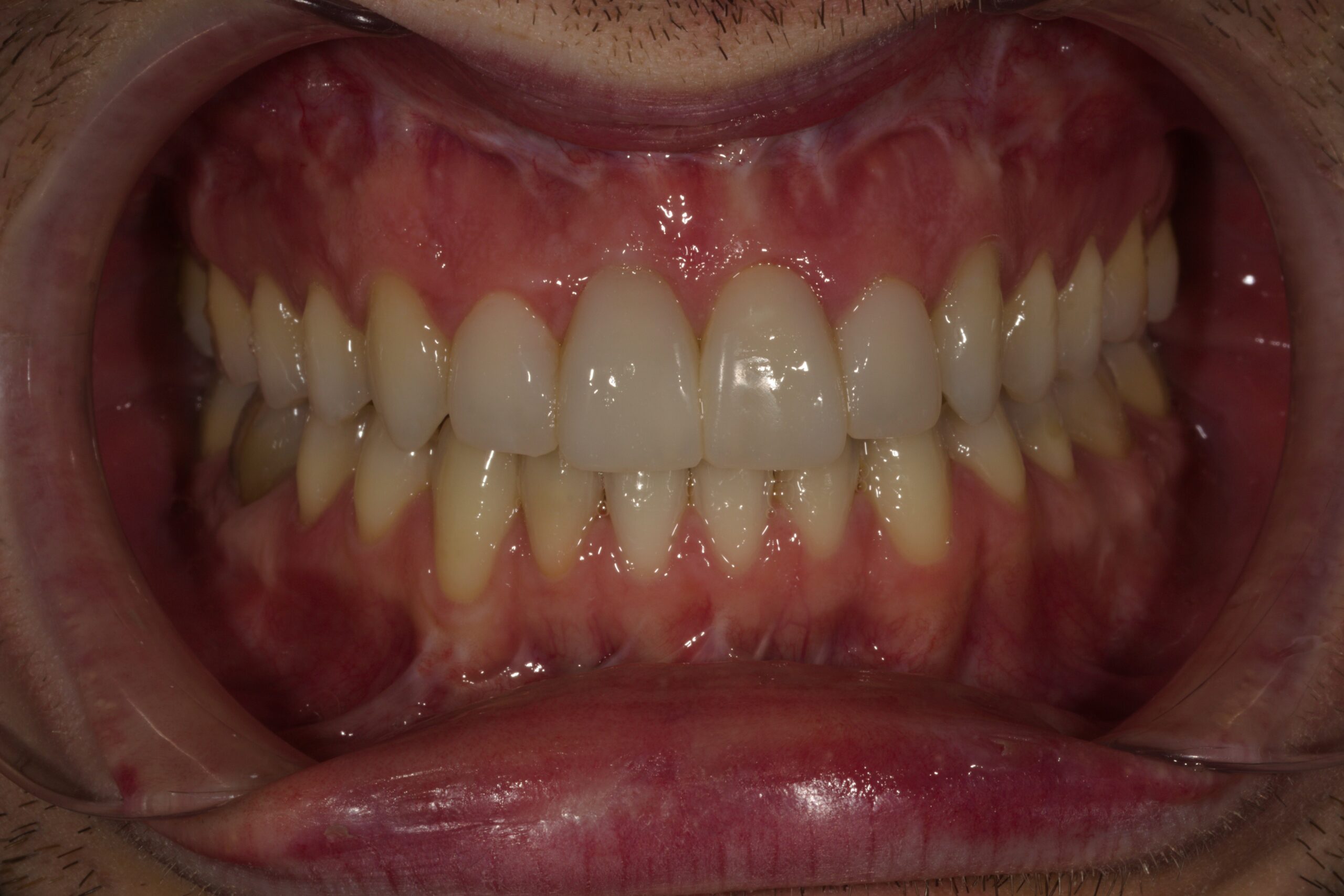
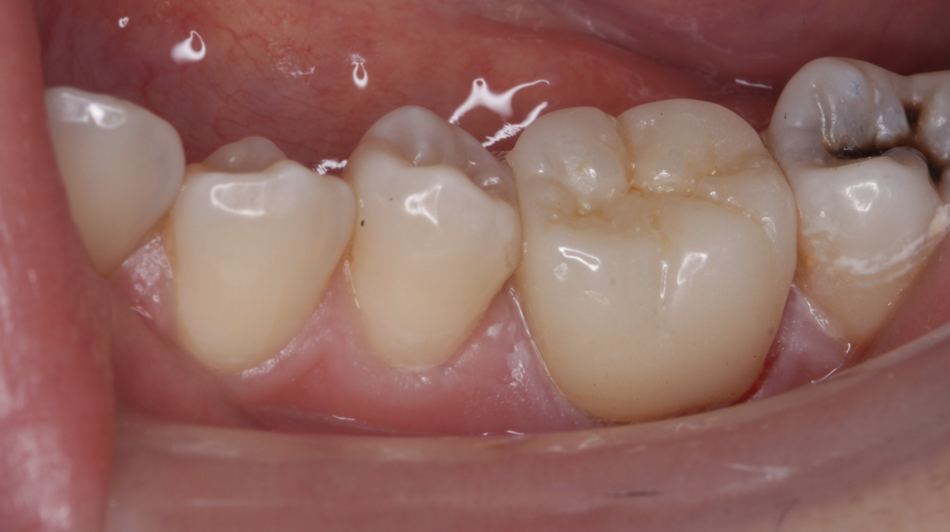
Porcelain Restorations with Digital Workflow
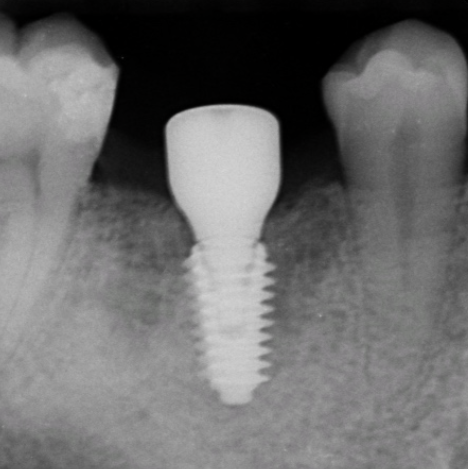
Guided Implant Surgery
Our Dentists
Dr. Dt. Toygan Bora
Dt. Özge Bilgin Bora
FREQUENTLY ASKED QUESTIONS?
HOW LONG DOES A ROOT CANAL TREATMENT TAKE?
On average, the treatment takes between 60 and 90 minutes. However, it is important to note that treatment duration varies from patient to patient depending on individual tooth anatomy. Procedures such as removing fractured instruments, managing root resorption, repairing perforations, and root canal retreatment require the longest treatment times and the highest level of technical precision.
WILL I EXPERIENCE PAIN AFTER THE TREATMENT?
Post-treatment experiences vary from patient to patient. You may feel mild tenderness when biting down, or moderate discomfort lasting a few days. All patients are provided with appropriate pain relief medication to manage this. It is also worth remembering that pain thresholds differ from person to person, even for the same procedure.
HOW LONG WILL MY ROOT-CANAL-TREATED TOOTH LAST?
A tooth that has undergone root canal treatment has the same life expectancy as a tooth that has never been treated. Just as it has the potential to heal, it also carries the possibility of becoming diseased again. The key determining factors here are the extent of tissue damage in the tooth, the restoration planned for the tooth following root canal treatment, and the quality of the root canal treatment itself. Oral hygiene is also of utmost importance. The success rates of root canal treatment and retreatment are above 95% and 85% respectively.
An endodontist is the most qualified professional to inform the patient on this matter. Through treatments performed under a microscope, diagnostic tools such as Cone Beam Computed Tomography (CBCT), advanced equipment, and of course clinical experience, endodontists are able to guide their patients with the highest level of accuracy. Following a thorough examination, the patient and the clinician should jointly decide on the most appropriate course of treatment.
DOES THE USE OF A MICROSCOPE AFFECT THE SUCCESS OF ROOT CANAL TREATMENT?
One of the most common reasons for failure in root canal treatment is undetected canals or overlooked details during the procedure — many of which are extremely difficult to identify and treat effectively with the naked eye. In addition, the operating microscope plays a crucial role in procedures such as root canal retreatment, the removal of fractured instruments, complex cases, and apical surgery.
WHEN IS APICAL SURGERY PERFORMED?
Although commonly referred to as "resection" among clinicians, this procedure is known in the endodontic literature as apical microsurgery. It is offered as an alternative to extraction and implant placement, allowing patients to preserve their natural teeth in cases where conventional treatment is not feasible — for example, when access to the root apex is obstructed, when root canal retreatment has not yielded the desired outcome, or in the presence of resorption (areas of erosion within the root). The success rate of this procedure is over 90%.
HOW MANY SESSIONS DOES ROOT CANAL TREATMENT REQUIRE?
With sufficient time and the right equipment, most root canal treatments can now be completed in a single session, apart from certain exceptional cases that require otherwise. When a second session is necessary, an antiseptic medication is placed inside the tooth and sealed with a temporary filling for a period of 1 to 4 weeks. During this time, the patient should take the utmost care to protect the tooth.
WHEN SHOULD THE FINAL RESTORATION BE PLACED AFTER ROOT CANAL TREATMENT?
Patients often experience some confusion on this point. The filling used in root canal treatment — known as the root canal filling — is entirely different from the restoration placed on top of the tooth. The latter requires a separate appointment, different materials, and in many cases, a different clinician.
CAN ROOT CANAL TREATMENT BE PERFORMED ON AN INFECTED TOOTH?
In acute cases, emergency endodontic treatment can be carried out under antibiotic cover. The patient's clinical condition is the determining factor here. Unlike tooth extraction, root canal treatment does not necessarily require the patient to first be stabilised with antibiotics. That said, in certain situations, it may be advisable to relieve the patient's symptoms with antibiotics before proceeding with treatment.
DO ROOT-CANAL-TREATED TEETH BECOME DISCOLOURED?
Some root canal filling materials used in the past were observed to cause significant discolouration of the teeth, which is why the concern about post-treatment discolouration has become widespread among the public. The modern materials used today no longer cause such discolouration. That said, due to a slight loss of moisture and elasticity within the tooth following root canal treatment, a subtle colour difference may become noticeable in the medium to long term when compared to neighbouring teeth. This can be effectively addressed with internal tooth whitening.